The Sensory Bin Formula: A Simple Way to Create Sensory Play for Kids
Mar 06, 2026
The Capable Learners Sensory Bin Formula
Looking for Sensory Bin Inspiration?
If you're looking for simple sensory bin ideas you can use right away, I’ve created a guide with 57 sensory bin ideas designed for toddlers and preschoolers.
57 simple sensory bin ideas you can use right away
Sensory bins don’t need to be complicated.
But if you’ve ever searched for ideas online, you’ve probably felt it…
- Too many themed setups
- Too many materials
- Too much prep
It quickly turns into something that feels overwhelming instead of helpful.
Here’s the truth:
You don’t need more ideas.
You need a simple way to build sensory play that actually works.
For years — long before opening my dayhome — I’ve used the same simple approach to create sensory invitations that are engaging, meaningful, and easy to adapt for all ages.
I call it the Capable Learners Sensory Bin Formula.
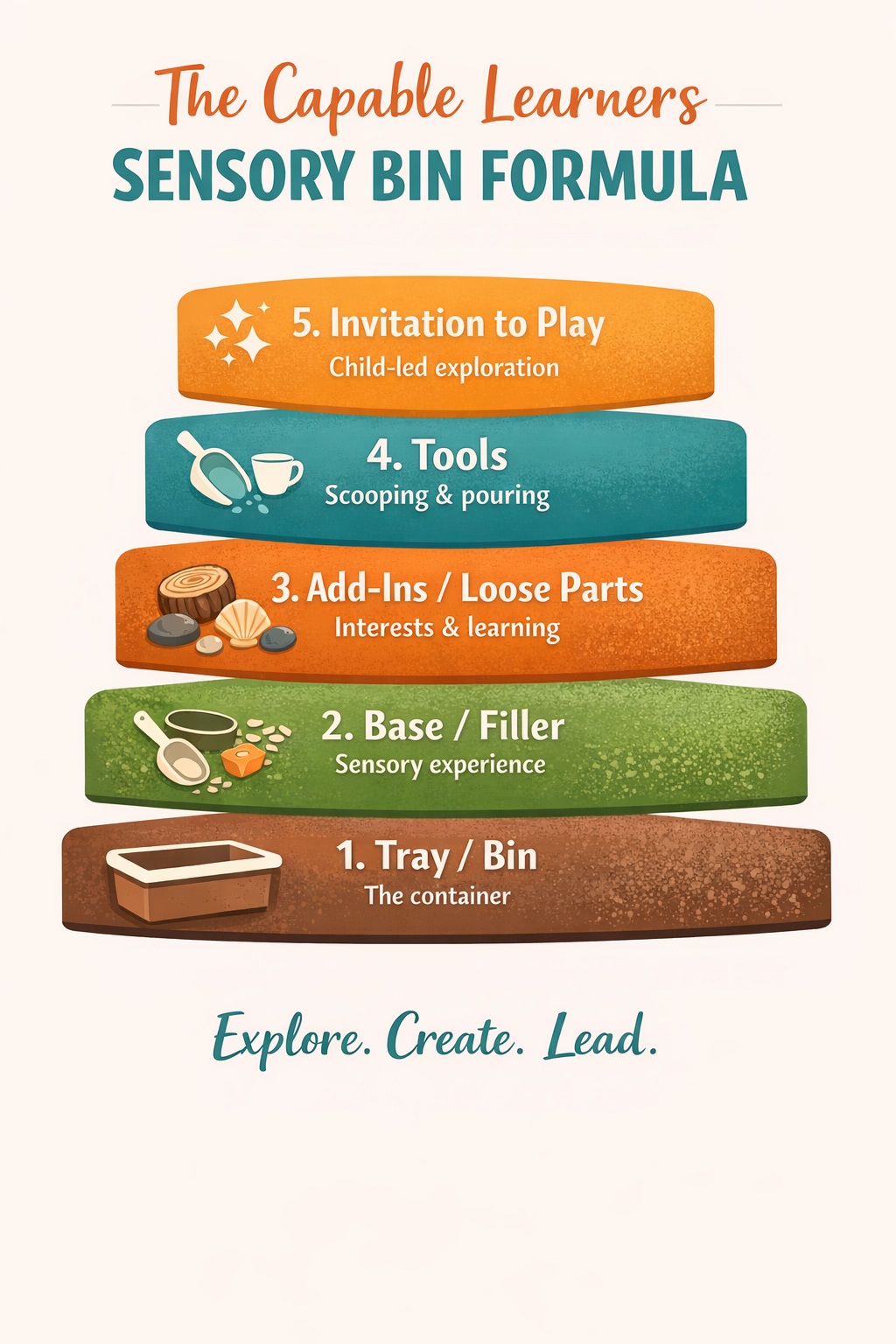
The Capable Learners Sensory Bin Formula
Every sensory bin I create includes five simple pieces:
-
Tray or Bin
-
Base / Filler
-
Add-ins connected to children’s interests
-
Tools for exploring
-
Invitation to play
When these five pieces come together, sensory play becomes more than just an activity — it becomes an open-ended learning experience.
1. Tray or Bin
This is simply the container that holds the play materials.
Some options include:
• sensory bins
• shallow trays
• baking dishes
• storage containers
• tuff trays
• small tables
The goal is to create a defined play space where children can explore freely.
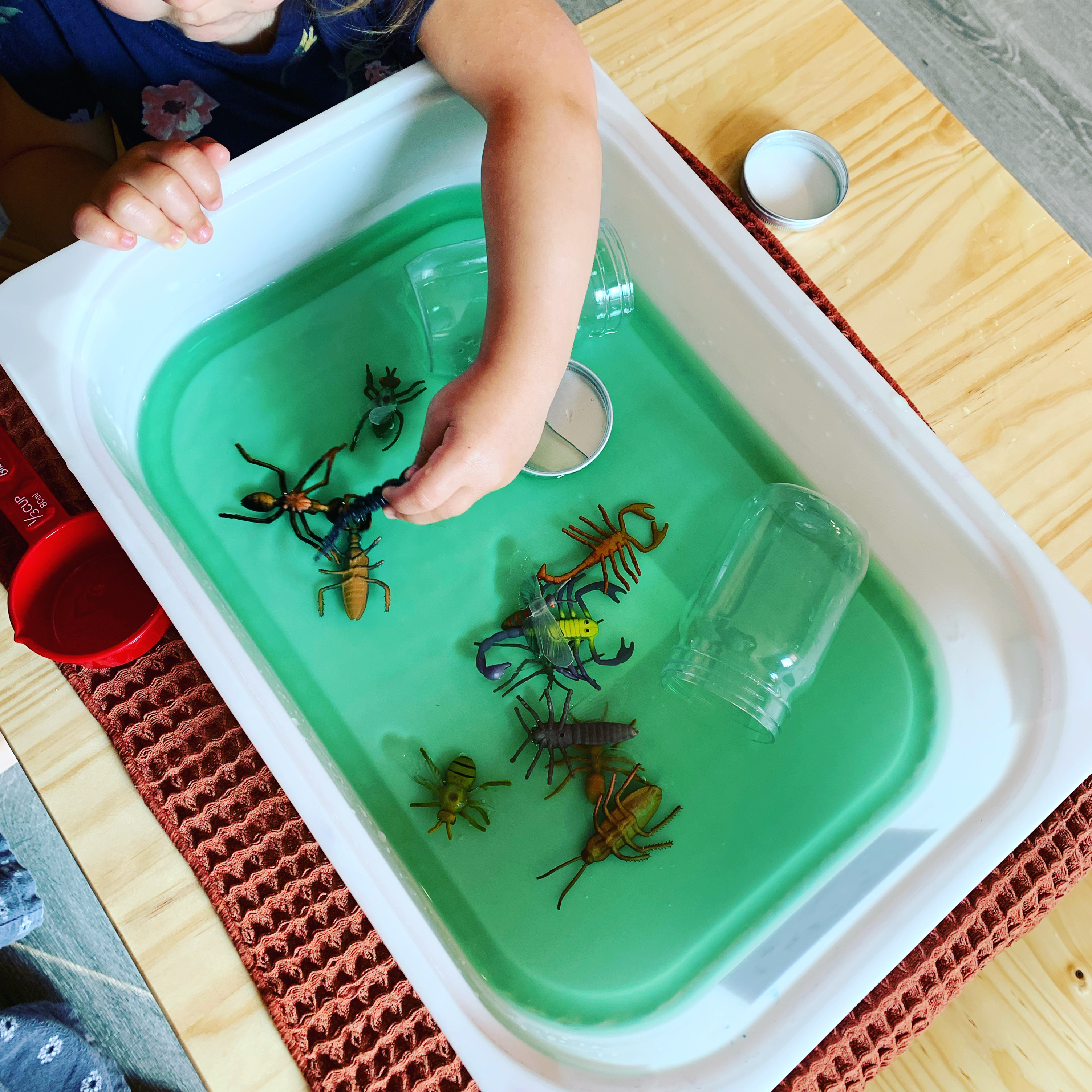
2. Base or Filler
The base material creates the sensory experience. Different fillers provide different textures, sounds, and opportunities for exploration.
Some of my favourite fillers include:
• dyed rice
• popcorn kernels
• dried beans
• sand
• oats
• shredded paper
• water
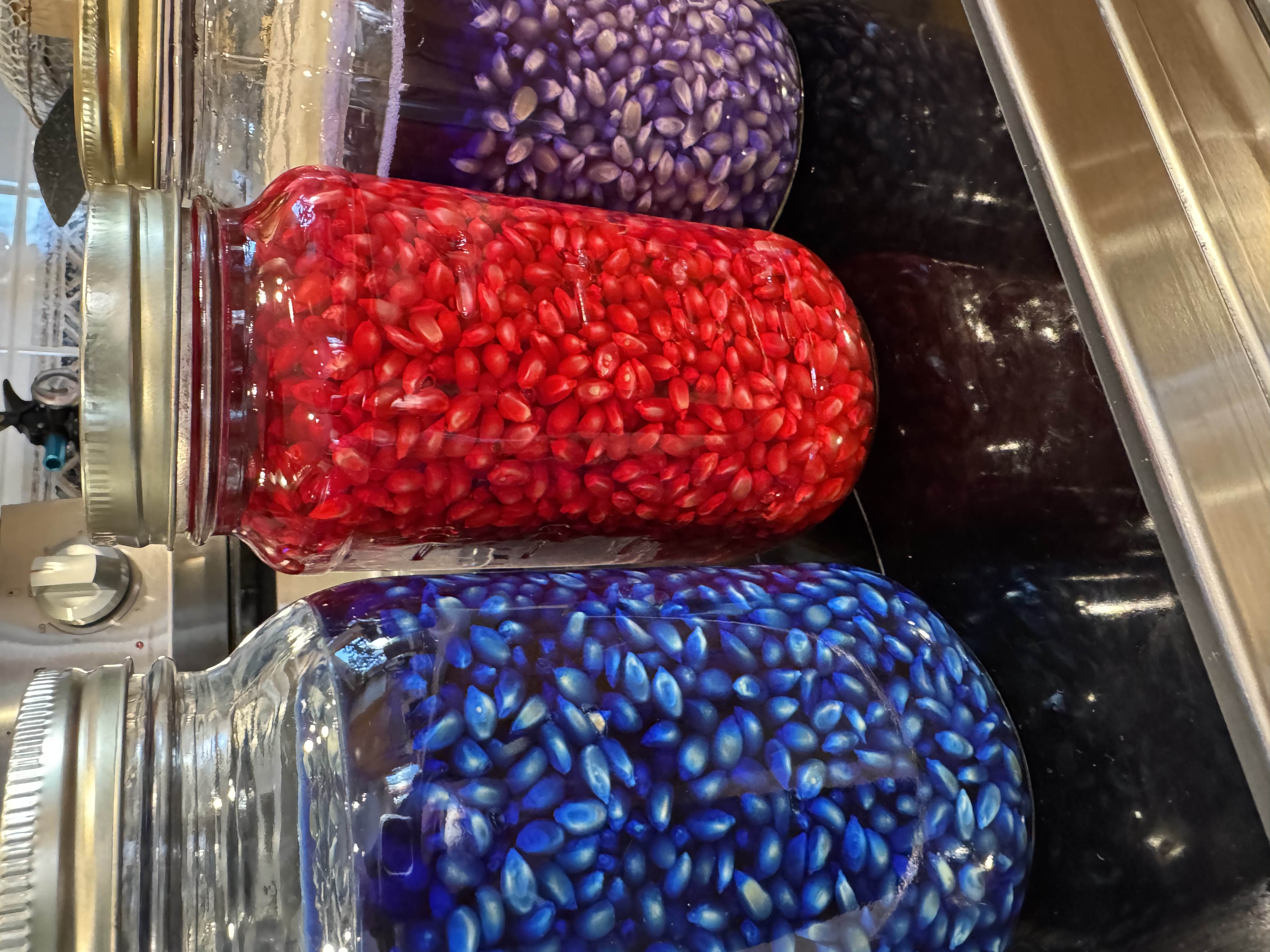
One of my favourite fillers to make is dyed popcorn kernels because they are inexpensive and reusable.
You can also find many other filler ideas in my Sensory Bin Materials Checklist.
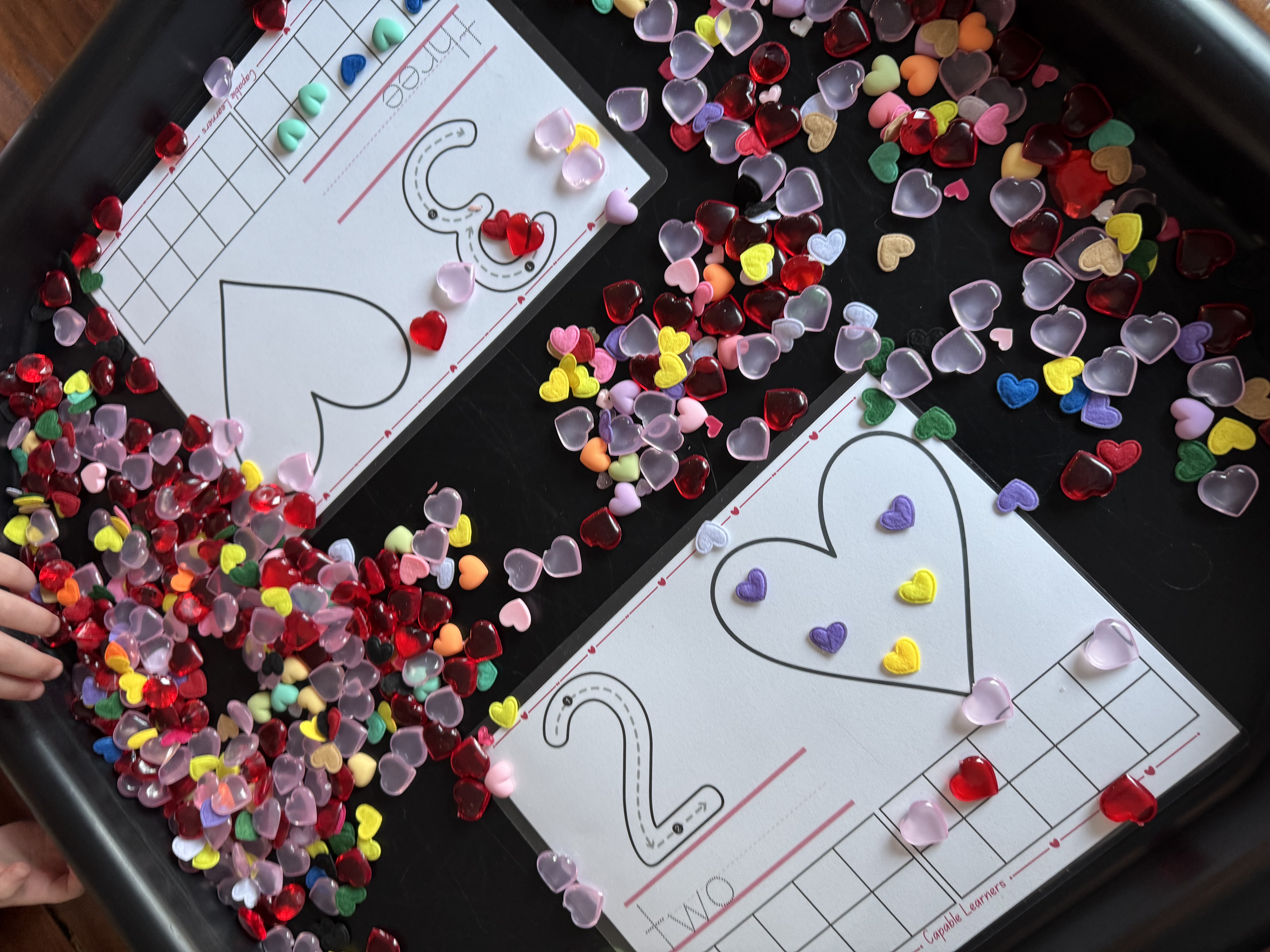
3. Add-Ins That Connect to Children's Interests
This is where the learning really begins.
Add-ins are the loose parts that connect the sensory bin to children's interests, questions, and curiosities.
Some examples include:
• animals
• letters or numbers
•🔗small world figures
• natural materials
• seasonal items
•🔗loose parts
When materials connect to children’s interests, the play naturally becomes deeper and more meaningful.
If you’re new to loose parts play, you might enjoy this guide:
🔗Loose Parts Play Ideas at Home
4. Tools for Scooping and Pouring
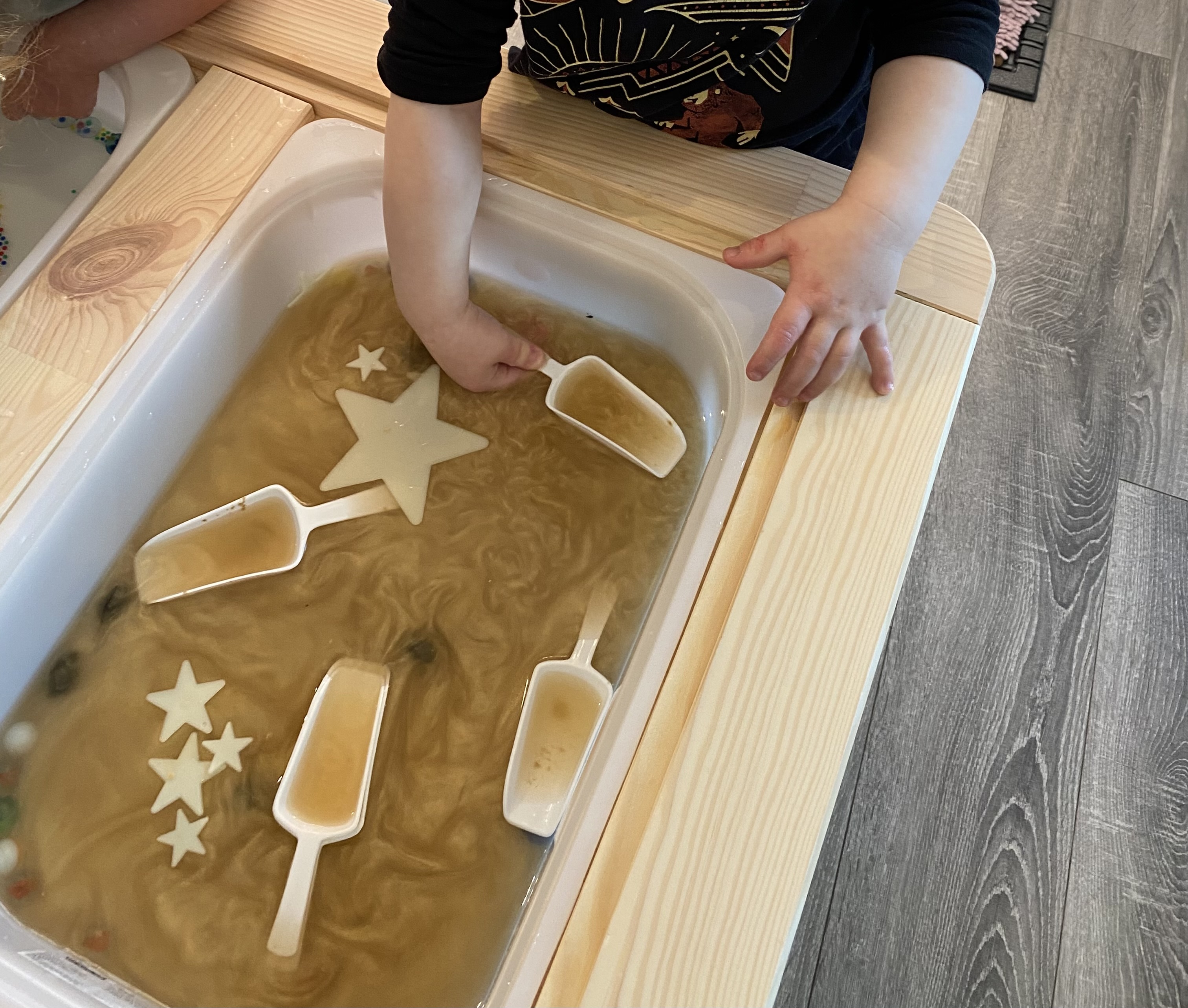
Tools support children as they explore materials in different ways.
They also help develop important fine motor and coordination skills.
Some tools I frequently include are:
• scoops
•🔗spoons
•🔗measuring cups
• funnels
• tongs
• droppers
• small containers
Children love experimenting with how materials move, pour, scoop, and transfer.
5. The Invitation to Play
The final step is how the materials are presented.
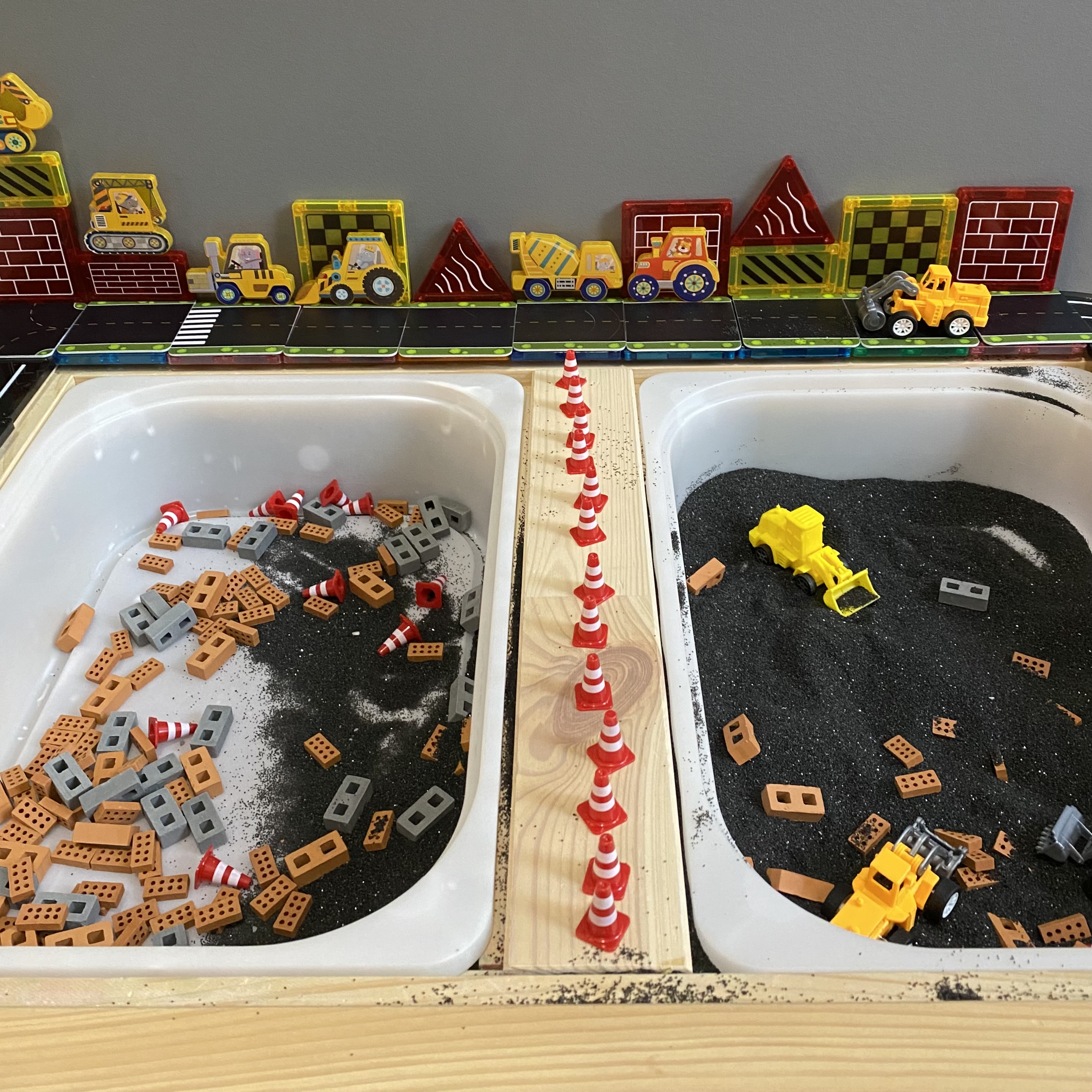
Sometimes it’s simply setting the bin out with interesting materials arranged in a way that invites curiosity.
Other times you might include:
• a book for inspiration
• small scene setups
• natural objects
• a simple question
Then comes the most important step:
Step back and let the children lead.
Children will create their own stories, ideas, and discoveries through play.
Why This Sensory Bin Formula Works
When sensory bins follow this simple structure, they become:
✔ open-ended
✔ adaptable for different ages
✔ easy to set up
✔ connected to children's interests
Instead of searching for new ideas every time, you can simply change the materials while using the same formula again and again.
This approach has helped me create hundreds of sensory bins over the years.
Looking for Done-For-You Play Ideas?
If you’d like ready-to-use activity ideas for young children, my🔗Spring Play Pack includes hands-on invitations to play designed for toddlers and preschoolers.
It includes sensory play, loose parts invitations, and simple activities that support learning through play.
Final Thoughts
Sensory play doesn’t need to be elaborate to be meaningful.
With a simple bin, a base material, a few loose parts, and tools for exploration, children can create endless opportunities for learning.
Sometimes the most powerful learning happens when we simply provide the materials and allow children the freedom to explore.
More Play Ideas from Capable Learners
If you enjoy simple play-based learning ideas, you might also enjoy: