All About Sensory Bins: A Simple, Powerful Way to Support Play-Based Learning
Mar 18, 2026
Simple. Engaging. Developmentally powerful.Here’s how to use sensory bins without overcomplicating your day.
Grab the Free Sensory Bin Checklist
CHECK LIST
Introduction
If you’ve ever found yourself thinking…
“I want to set up sensory play—but I have no idea where to start.”
You’re not alone.
It’s one of the most common things I hear from both parents and educators. And honestly? I’ve been there too.
Recently, I had the opportunity to sit down on Honoring Childhood: The Podcast to talk about sensory play, running a dayhome, and supporting educators in a way that actually feels sustainable.
👉 Looking for simple activity ideas? Check out my Spring Play Ideas Blog:
https://www.capablelearners.ca/blog/springactivities
A Little About Me
I’m an in-home daycare operator based in Edmonton, Alberta, and I’ve been running my dayhome for the past four years.
But my experience in early childhood education goes back much further.
For over 15 years, I’ve worked with children of all ages—from infants and toddlers to school-age children—learning firsthand what truly supports their growth and development.
Over the past four years, my focus has shifted into something deeply personal:
-
Running my dayhome
-
Raising my own children alongside it
-
Creating an environment rooted in play, connection, and real-life learning
And along the way, something else became really clear to me…
👉 Educators need support too.
That’s why I’m so passionate about creating resources, sharing ideas, and building a community where:
-
Dayhome educators feel seen and valued
-
Early childhood educators feel supported
-
And no one feels like they have to figure it all out alone
Because there is a place for you here.
👉 Follow along on Instagram: @capablelearnersdayhome
Why Sensory Bins Matter (More Than You Think)
When we started talking about sensory bins on the podcast, something really interesting came up…
For most educators, sensory bins fall into one of three categories:
-
You absolutely love them
-
You avoid them completely
-
Or you’re just not sure how to use them effectively
And honestly?
That makes sense.
Because without a clear approach, sensory bins can feel messy, overwhelming, or even pointless.
But here’s what I’ve seen over and over again in my 15+ years in early childhood education:
👉 Sensory bins work.
They’ve worked in:
-
Every classroom
-
Every environment
-
Every age group I’ve ever supported
Infants. Toddlers. Preschoolers. School-age.
There’s something about sensory play that meets children exactly where they are.
✨ Feeling overwhelmed with where to start?
I break this down into a simple, repeatable formula you can use right away.
👉 Download the free Sensory Bin Checklist:
CHECKLIST
A Tool That Works in Every Environment
One of the reasons I keep coming back to sensory bins—again and again—is because of how adaptable they are.
They don’t require:
-
A specific curriculum
-
A perfectly curated setup
-
Or a certain type of classroom
They can be:
-
Simple or detailed
-
Calm or engaging
-
Structured or completely open-ended
And that flexibility is what makes them so powerful.
The Shift I’ve Noticed in Recent Years
Over the last few years, something really clicked for me.
It wasn’t just that sensory bins were useful…
👉 It’s that they’re essential.
In a world where:
-
Children are overstimulated
-
Schedules are busy
-
Expectations are high
Sensory play offers something different.
It gives children:
-
A chance to slow down
-
Space to explore
-
Opportunities to regulate
-
And freedom to engage in meaningful play
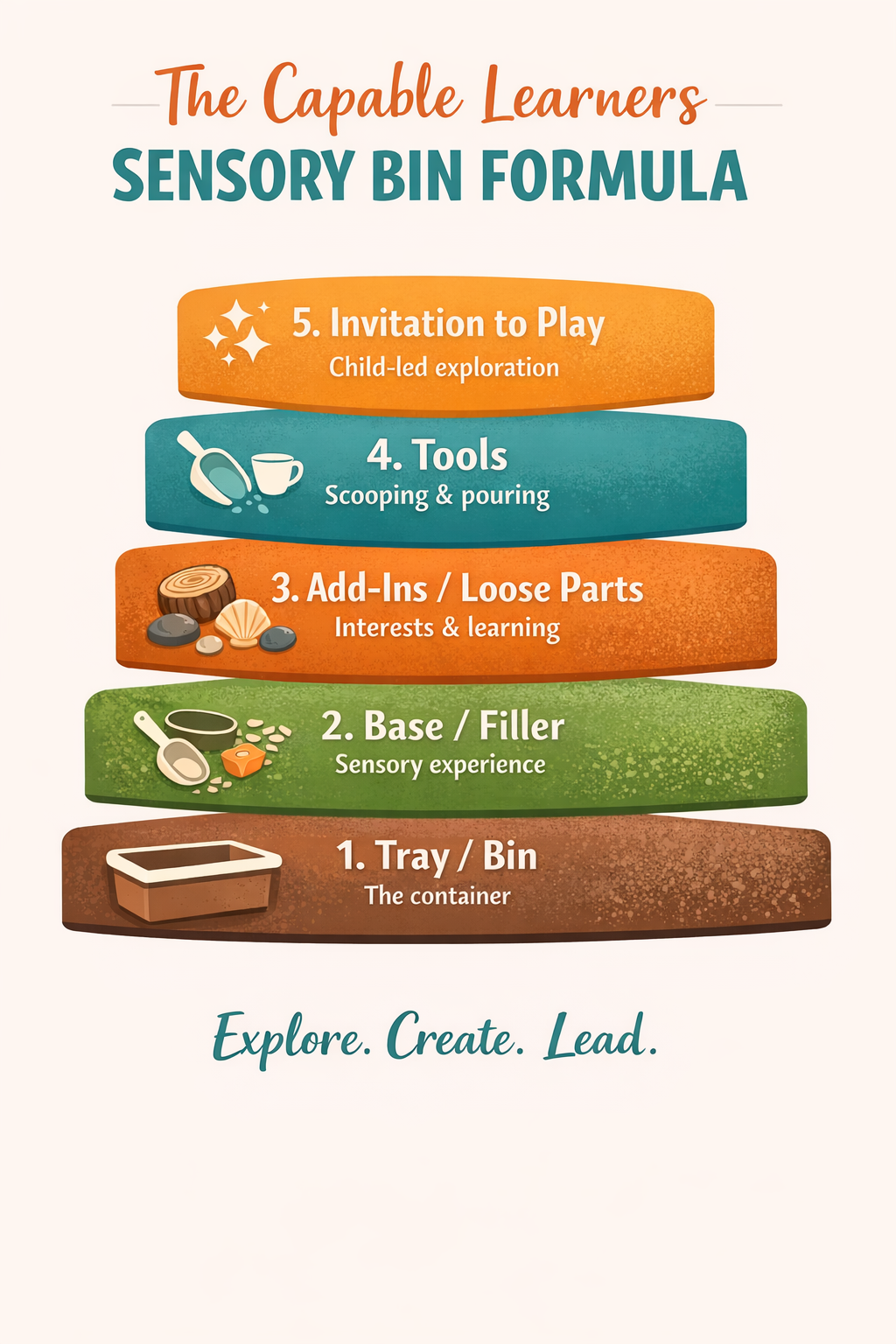
The Simple Sensory Bin Formula
You only need 5 things:
1. Base
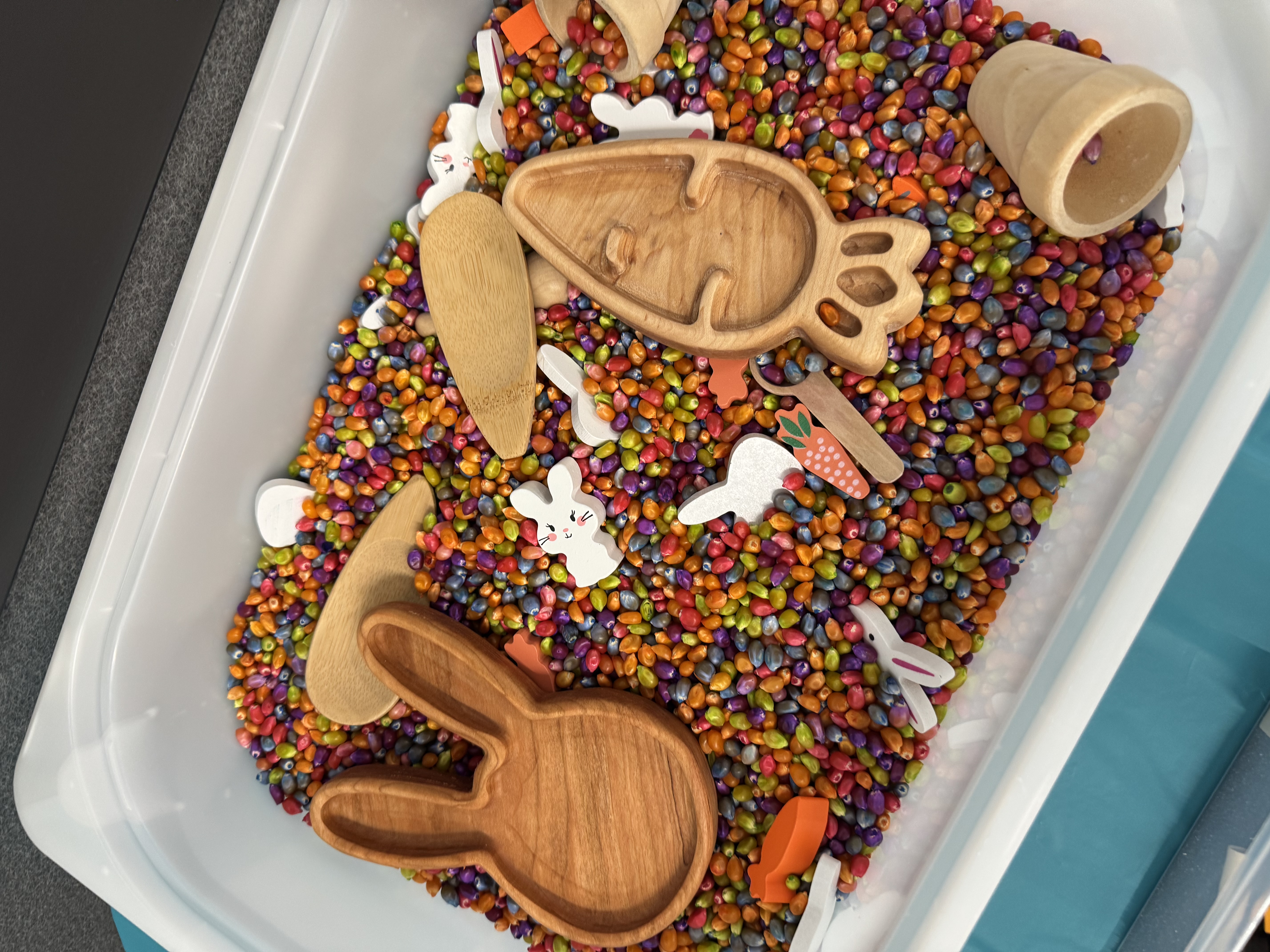
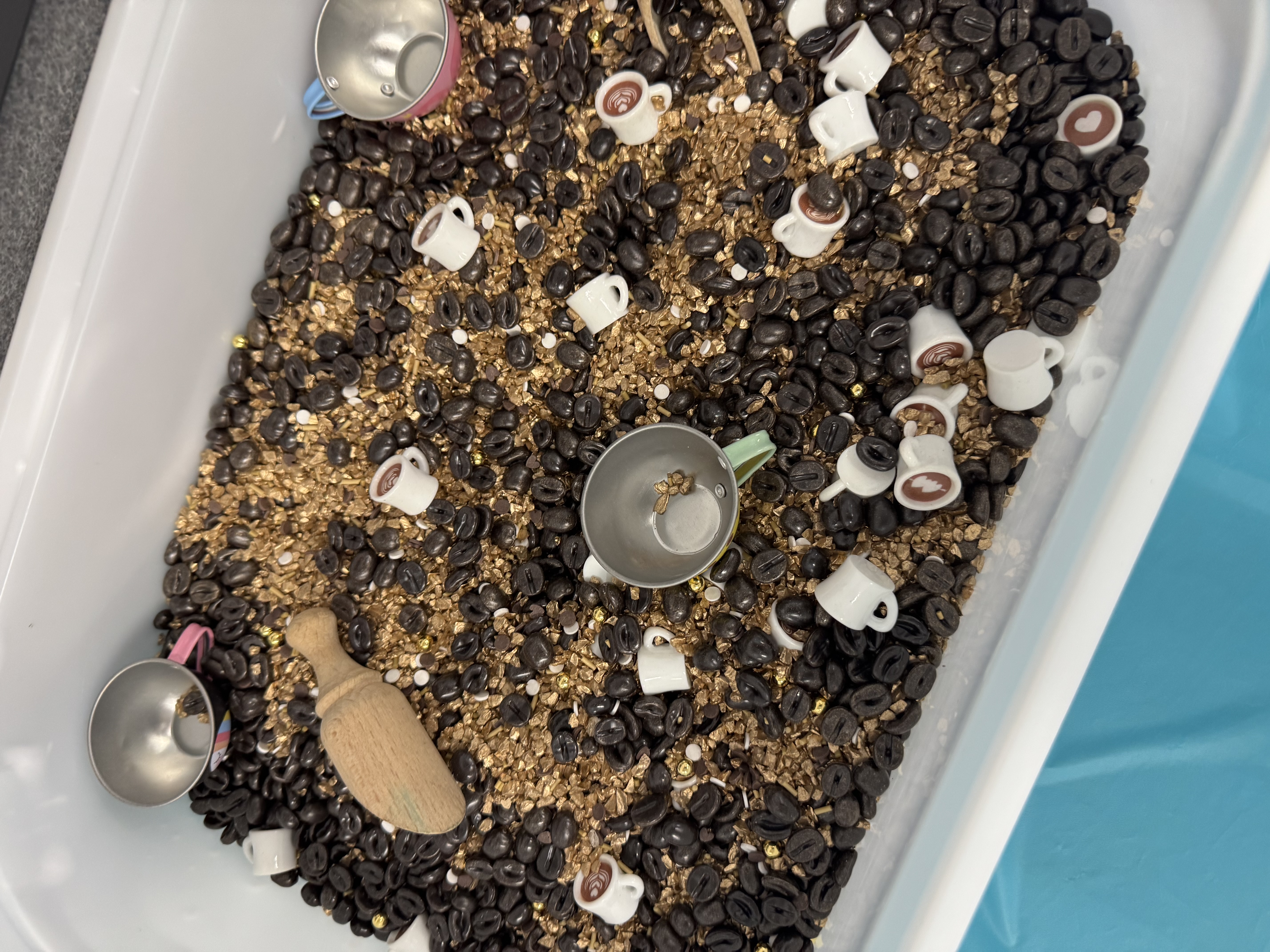
Rice, pasta, popcorn, beans, etc.
2. Container
A bin, tray, or sensory table
3. Add-ins
Toys, loose parts, themed items
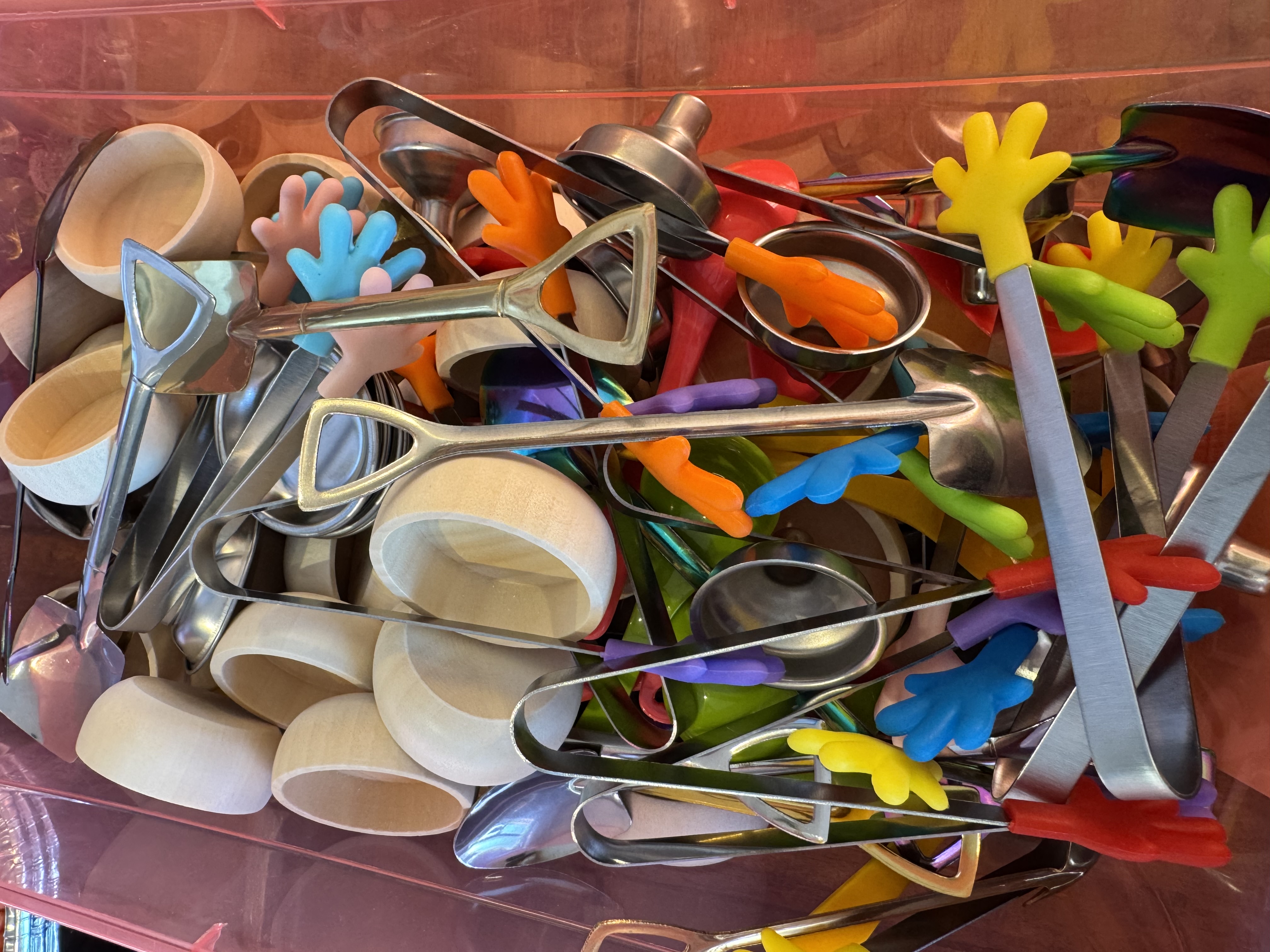
4. Tools
Scoops, tongs, cups, spoons
5. Invitation to Play
A theme, prompt, or simple setup
👉 Want this in a printable checklist you can actually use daily?
Download it here:
CHECK LIST
It’s Not Just a “Bin”—It’s a Learning Experience
Sometimes sensory bins get labeled as just a “filler activity.”
Something to keep kids busy.
But when you look a little closer, they’re doing so much more.
They support:
-
Fine motor development
-
Problem-solving
-
Language development
-
Social interaction
-
Emotional regulation
👉 When you're ready for more ideas, explore my 57 Sensory Bin Ideas:
https://www.capablelearners.ca/offers/Foo48L7Y/checkout
Bringing It Back to Community
One of my biggest takeaways from both my own journey and conversations like this podcast is:
👉 You’re not meant to do this alone.
Whether you’re:
-
A dayhome educator
-
An early childhood educator
-
Or a parent trying to support play at home
There is a community here for you.
Ready to Make Sensory Play Easier?
✨ Start simple:
👉 Free Sensory Bin Checklist
CHECKLIST
✨ Want done-for-you ideas:
👉 57 Sensory Bin Ideas
https://www.capablelearners.ca/offers/Foo48L7Y/checkout
✨ Want seasonal activities ready to go:
👉 Spring Play Pack
https://www.capablelearners.ca/offers/FzF6z2Cn/checkout

Listen to the Full Episode
Want to hear the full conversation?
👉 Listen here:
https://podcasts.apple.com/ca/podcast/honoring-childhood-the-podcast/id1562515072?i=1000755301568