What Is Sensory Play? (And Why Your Toddler Needs It Every Day)
Jun 26, 2026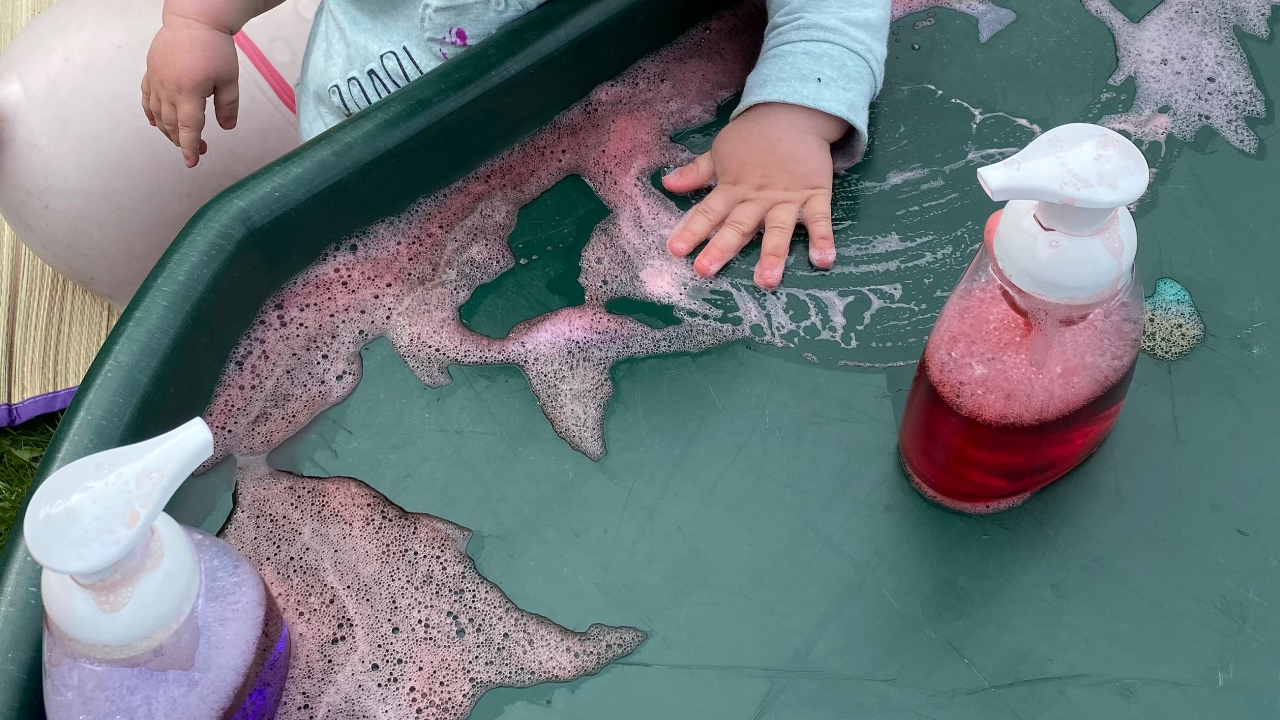
This post contains affiliate links. As an Amazon Associate I earn from qualifying purchases — at no extra cost to you. I only ever share products I actually use and love in my own dayhome.
You know that moment when a toddler completely ignores the toy you just bought them… and spends 20 minutes pouring dried pasta between two cups?
That's sensory play. And it's actually one of the best things they could be doing.
Okay but what is it, exactly?
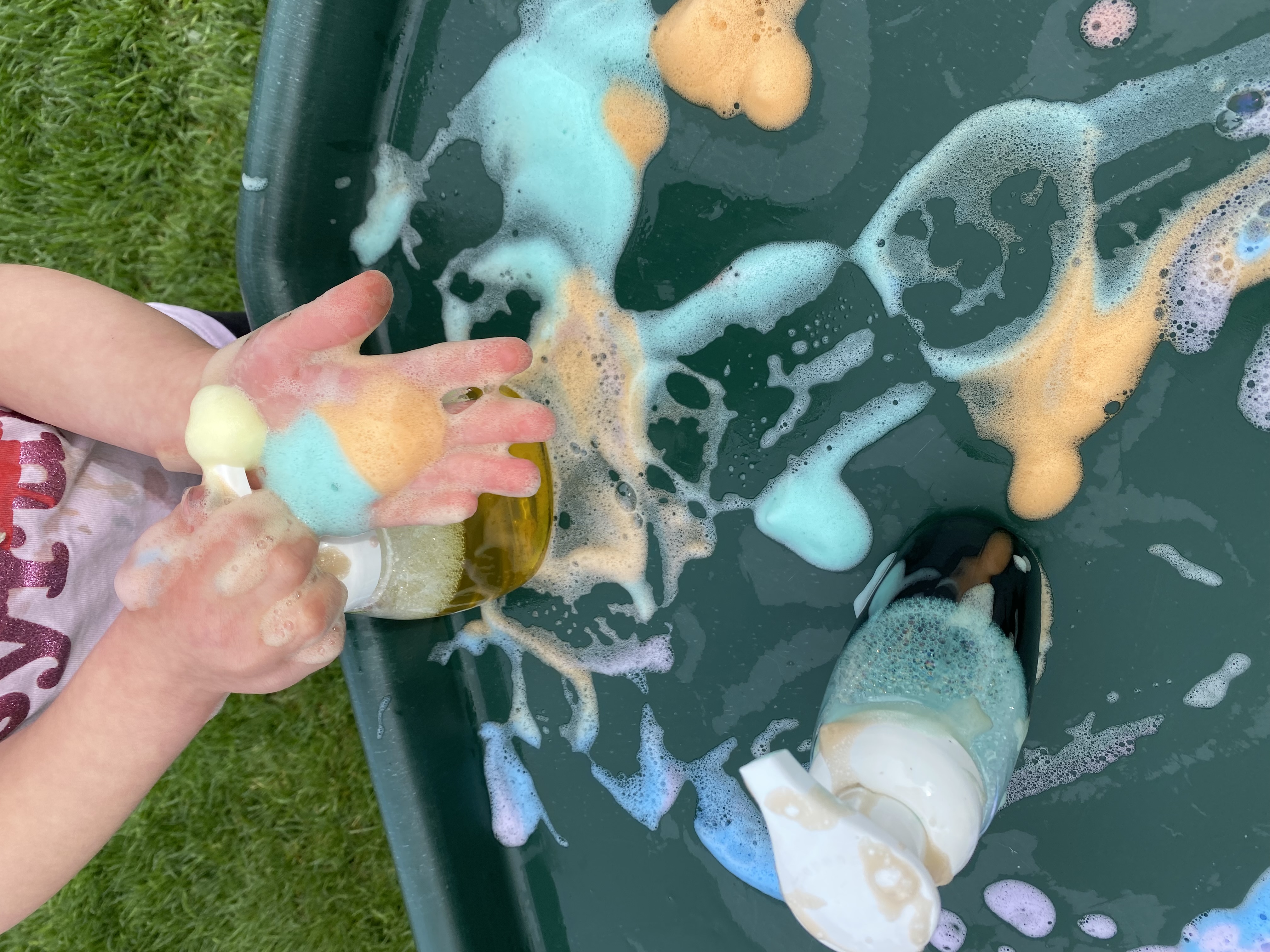
Sensory play is any activity that gets a child's senses involved — touch, sight, sound, smell, taste, and even their sense of movement and body awareness.
We're talking about things like:
- Squishing playdough
- Digging through a bin of kinetic sand
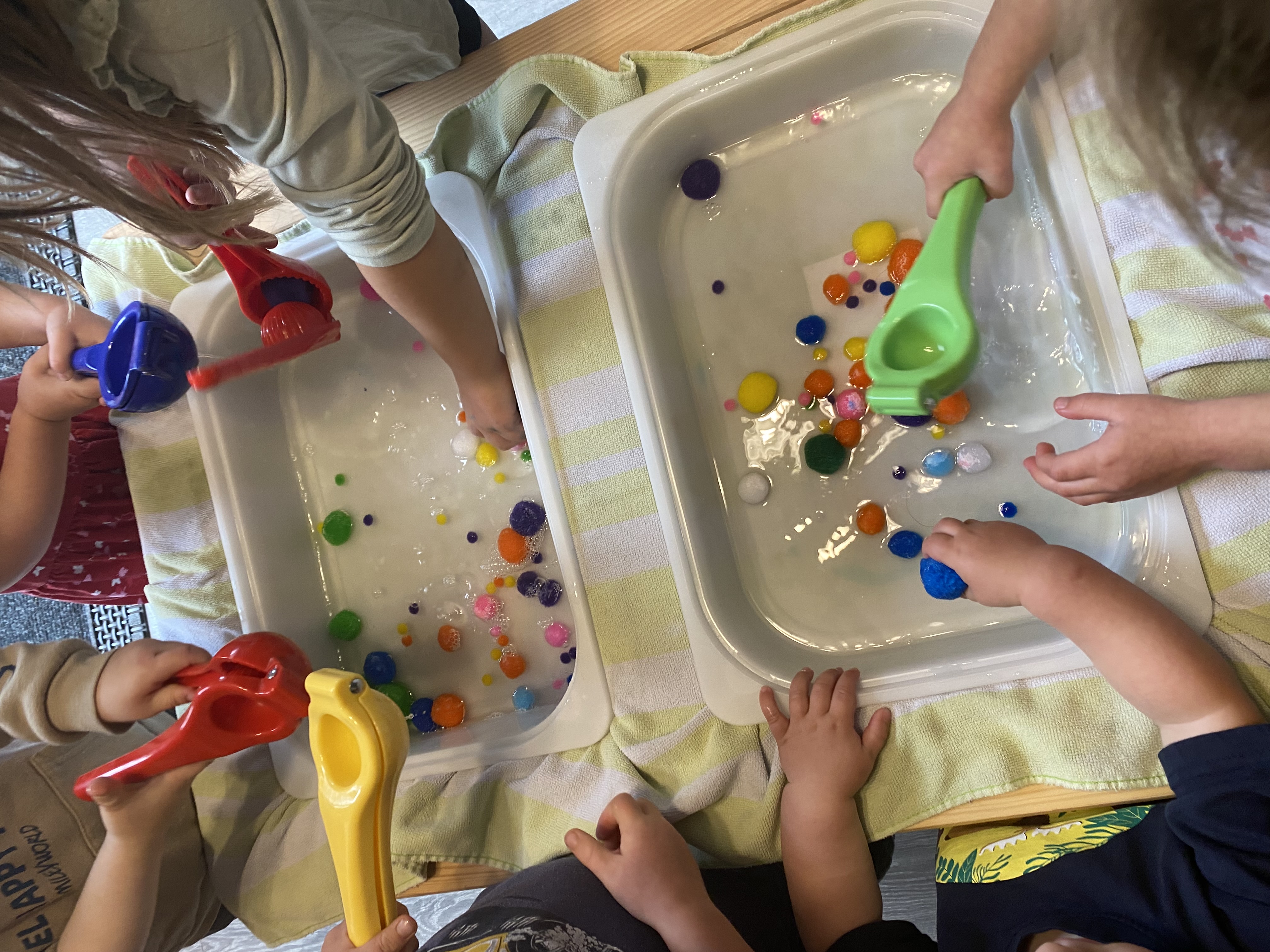
- Splashing in a water table
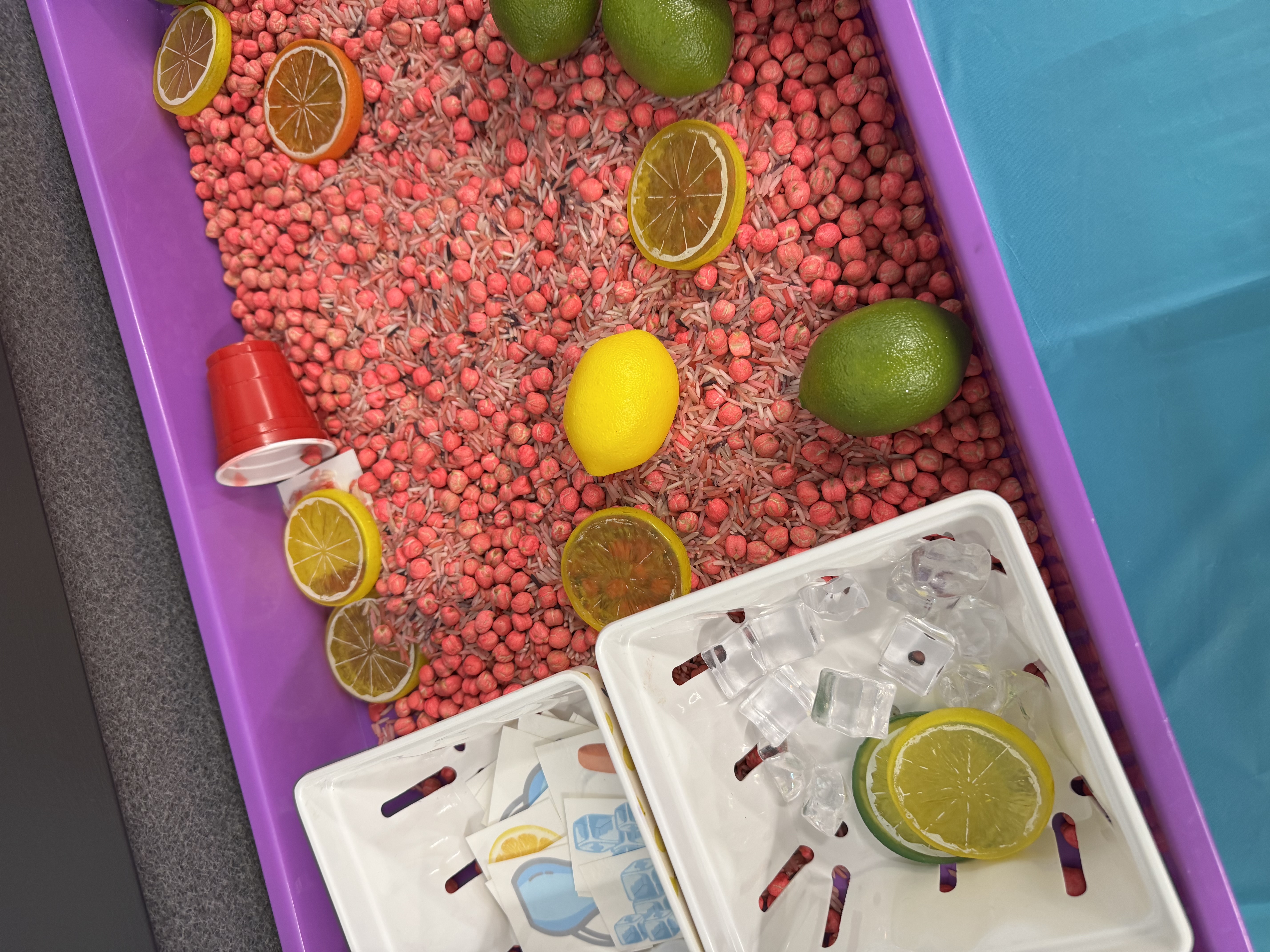
- Running their hands through a tray of rice
It looks like just playing around. But underneath all that squishing and pouring? A lot is happening.
Here's why it matters so much
It builds emotional skills
Sensory play is genuinely calming to a child's nervous system. That repetitive scooping and pouring? It regulates them. Kids who have regular sensory experiences tend to handle big emotions better — not because we taught them to, but because their bodies have had the chance to practice settling.
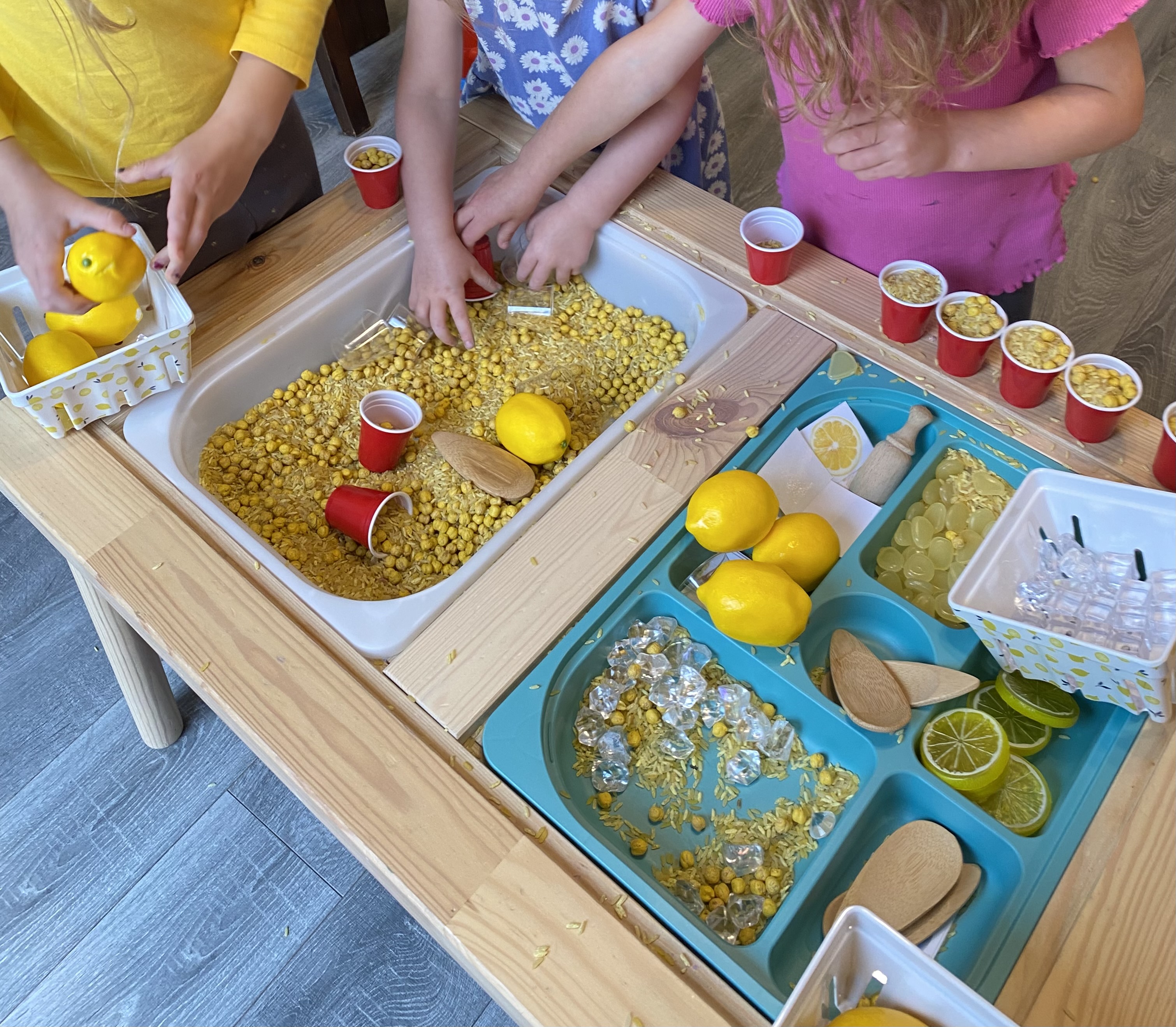
It's also a beautiful space for social learning. Sharing the sensory bin, negotiating who gets the big scoop, noticing what a friend is doing and trying it yourself — all of that is happening without anyone explicitly teaching it.
It's a language explosion waiting to happen
Sensory play gives kids words. Wet. Squishy. Scratchy. Cold. Heavy. Smooth.
When children are exploring with their hands and bodies, they naturally start narrating — and when we narrate alongside them, their vocabulary takes off. Some of the richest language I hear in my dayhome happens right at the sensory table.
It builds little hands (and big bodies)
All that pinching, scooping, squeezing, and pouring is serious fine motor work. The hand strength and coordination kids build through sensory play is the same foundation they'll use for writing, buttoning, cutting, and all the self-care skills that come later.
And don't forget the gross motor side — carrying a heavy bin of water, digging with both arms, balancing while reaching. Sensory play gets the whole body involved.
How often should kids be doing this?
Every single day. Not as a special activity, not as a reward — as a regular, expected part of the day.
Sensory play isn't an add-on. It's a foundation. When it's woven into the daily rhythm, kids are calmer, more focused, and more ready to engage with everything else around them. This is exactly why sensory tables belong open and accessible in every early learning space — not tucked away for "good days" or pulled out once in a while.
The more consistently it's offered, the more you'll see the benefits stack up.
Not sure what to actually put in a sensory bin?
That's where a lot of people get stuck — and it's usually what keeps the sensory table closed more than it should be. I've got you covered. Check out my Sensory Bin Formula — it walks you through exactly how to build a bin that keeps kids engaged, with way less second-guessing on your end.
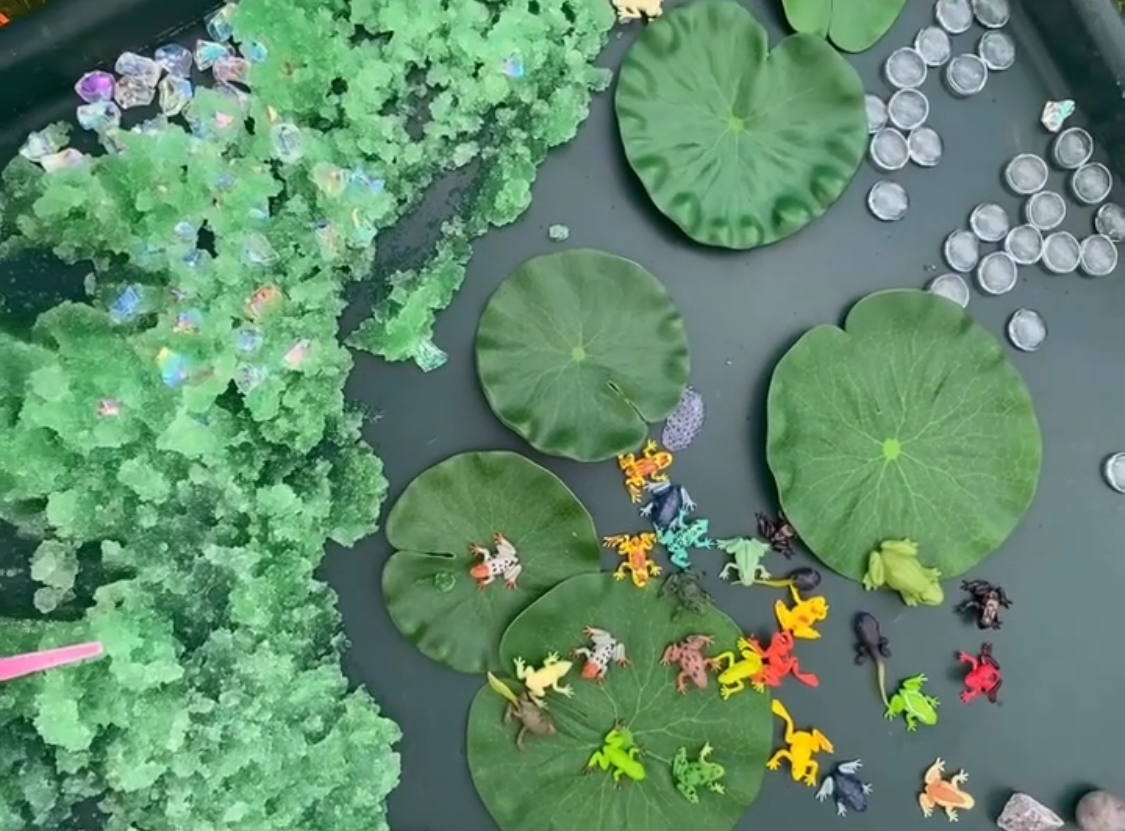
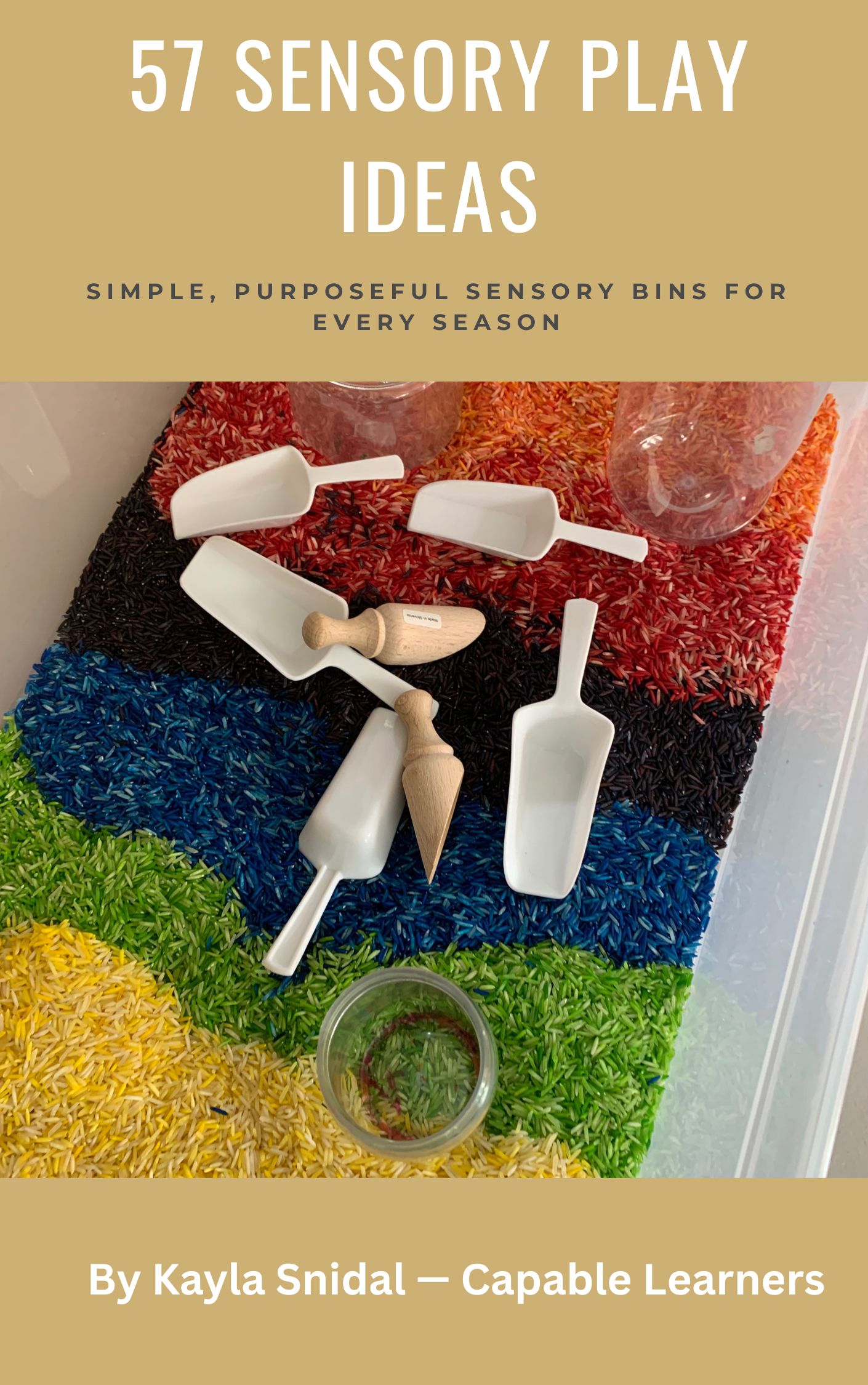
And if you just want a big list of ready-to-go ideas? I put together 57 Sensory Bin Ideas — themes, fillers, and tool ideas all in one place so you never have to stare at an empty bin wondering what to do with it.
Want to make sensory play even easier?
I put together a free Sensory Bin Checklist with everything you need to get started — fillers, tools, themes, and tips for keeping it simple.
👉 Grab your free checklist here
And if you want to see what I actually use in my own dayhome, I've got all my favourite sensory materials saved in my Amazon storefront — bins, scoops, loose parts, and more.
👉 Browse the Capable Learners storefront
What's your favourite way to offer sensory play in your space? Tell me in the comments!